Tantrums vs Meltdowns: What's the Difference and Why It Matters
They Look the Same. They're Not.
Your 4-year-old is on the floor of Target, screaming. Kicking. Red-faced. Snot everywhere. Everyone's staring.
Is this a tantrum? Or a meltdown?
If you've never thought about the difference, you're in good company. Most parents — and honestly, a lot of parenting advice — use the words interchangeably. But tantrums and meltdowns are actually two very different things happening in your child's brain. And the way you respond to each one matters a lot.
Get the response wrong and you accidentally make things worse. Get it right and you can shorten the episode, keep your child feeling safe, and save yourself a whole lot of frustration.
Let's break it down.
What's a Tantrum, Really?
A tantrum is a protest. Your child wants something — the candy bar, five more minutes at the park, to wear the sparkly shoes — and they're using the loudest tool they have to try to get it.
Here's the key: during a tantrum, your child still has some control. Their brain is upset, but it's still online. They're making a choice (not a great one, but still a choice) to yell, cry, or throw themselves on the ground because they've learned that big reactions sometimes get results.
Signs It's a Tantrum
- They peek at you mid-cry to see if it's working
- The intensity increases when they have an audience
- They can be redirected or distracted (even if it takes a minute)
- They stop relatively quickly once they get what they want — or realize they won't
- They might negotiate: "JUST ONE MORE! PLEASE!"
- Afterward, they bounce back fast
Tantrums are a normal, healthy part of development. They peak between ages 1.5 and 4. Your toddler isn't being manipulative in some calculated, evil-genius way. They just have enormous wants, zero patience, and a very limited set of tools for expressing frustration. Screaming IS the tool.
What's a Meltdown?
A meltdown is not a choice. It's a neurological event. Your child's nervous system has been pushed past its limit, and their brain has essentially flipped into survival mode — fight, flight, or freeze.
Think of it like a circuit breaker tripping. Too much input (sensory overload, emotional overwhelm, exhaustion, hunger, too many transitions) and the system shuts down. Your child isn't trying to get something from you. They've lost the ability to think, reason, or control their body. They are genuinely overwhelmed.
Signs It's a Meltdown
- They don't care if anyone's watching — an audience makes no difference
- They can't be distracted or redirected
- They may not hear you or respond to their name
- It can include physical symptoms: shaking, hyperventilating, going rigid, or going completely limp
- They may lash out without aim — hitting, kicking, thrashing — not directed at anyone specifically
- It takes a long time to recover. They might be exhausted, clingy, or fragile afterward
- They often feel embarrassed or confused once it's over
A toddler meltdown isn't bad behavior. It's a stress response. Their brain literally cannot do better in that moment.
Why the Difference Matters So Much
Here's where it gets practical. The strategies that work for a tantrum can actually backfire during a meltdown — and vice versa.
If you try to reason with a child mid-meltdown ("Use your words! Tell me what you need!"), you're asking a brain that's gone offline to do advanced work. It won't help. It'll probably escalate things.
If you give in during a tantrum to make it stop, you're teaching your child that screaming works. Next time, the tantrum will be louder and longer.
Same screaming kid. Same grocery store floor. Completely different response needed.
How to Handle a Tantrum
Since tantrums are goal-driven, your job is to hold the boundary calmly without giving in OR engaging in a power struggle.
- Acknowledge the want. "You really want that toy. I hear you." This alone can take the temperature down a few degrees.
- Hold the limit. "The answer is still no. We're not buying a toy today." Say it once. Don't repeat it twelve times.
- Don't argue, explain, or negotiate mid-tantrum. Their rational brain isn't fully available. Save the discussion for later.
- Stay calm and boring. No big reactions. The less energy you feed it, the faster it burns out.
- Offer a choice if possible. "We can't get the toy, but you can choose: do you want to help me pick apples or ride in the cart?" Choices give back a sense of control.
- Once it's over, connect. "That was hard. You really wanted it. It's okay to be disappointed."
The hardest part? Ignoring the strangers giving you The Look. They don't know your kid. You do. Holding a calm boundary in public is elite-level parenting. Give yourself credit.
How to Handle a Meltdown
Since meltdowns are overwhelm-driven, your job shifts completely. You're not holding a limit. You're helping a flooded nervous system come back to safety.
- Reduce the input. If you're somewhere loud or bright, move to a quieter spot. Car, hallway, bathroom — anywhere with less stimulation.
- Stop talking (mostly). Fewer words is better. Their brain can't process language right now. A quiet "I'm here. You're safe" is enough.
- Get low and close. Sit on the floor near them. Don't tower over them. Some kids want to be held; others need space. Follow their cues.
- Don't try to fix or teach. This is not a learning moment. This is a survival moment. Teaching comes later, when their brain is back online.
- Wait it out. Meltdowns have to run their course. You can't rush them. Your calm, steady presence is the most powerful thing you can offer.
- After it passes, go slow. Offer water. A snack. A quiet hug. Don't immediately debrief. Let them recover first.
The Gray Zone: When You're Not Sure
Sometimes it starts as a tantrum and tips into a meltdown. Your 3-year-old starts crying because you said no to ice cream (tantrum), but the crying escalates, they can't catch their breath, and suddenly they're hyperventilating and can't stop (meltdown). The frustration pushed them past their window of tolerance.
When this happens, shift gears. Drop the limit-holding and move into support mode. You can always revisit the boundary later. Right now, your child needs you to be their calm.
If you're genuinely not sure which one you're dealing with, ask yourself one question: Does my child still seem aware of me and what's happening? If yes — probably a tantrum. If they seem lost, glazed over, or completely unreachable — probably a meltdown.
Preventing Both (When You Can)
You can't prevent every tantrum or meltdown — and you shouldn't try to. Some are developmentally necessary. But you can reduce the frequency by watching for patterns:
- Track the triggers. Does your child always melt down after birthday parties? They might be hitting sensory overload. Does the tantrum always happen at checkout? They're tired and overstimulated.
- Watch the basics. Hunger, fatigue, and dehydration are behind more meltdowns than any emotional trigger. Snacks are a regulation tool. Seriously.
- Prep for transitions. "In five minutes, we're leaving the park." Give warnings. Give countdowns. Abrupt transitions are meltdown fuel for most kids under 6.
- Build emotional skills during calm times. The more your child practices naming feelings and using calming strategies when they're regulated, the bigger their window of tolerance gets over time. Activity books like When I Feel Angry are great for this — 80 pages of drawing, coloring, and breathing exercises that help kids practice managing big feelings before the storm hits.
You're Not Failing. This Is Hard.
Whether it's a tantrum or a meltdown, watching your child fall apart is exhausting. It's loud. It's public. It makes you question every parenting choice you've ever made.
But here's what I want you to remember: the fact that your child has big feelings is not a problem. It means their emotional system is working. The fact that they can't always manage those feelings? That's age-appropriate. Their brain is literally still under construction.
Your job isn't to stop the tantrums or prevent every meltdown. Your job is to be the steady thing they can hold onto while their world is spinning. Some days you'll nail it. Some days you'll lose your cool right alongside them. Both are part of this.
The difference between a tantrum and a meltdown matters because your child deserves a response that matches what's actually happening inside them. And now you know how to give them that.
That's a big deal. Even on the Target floor.
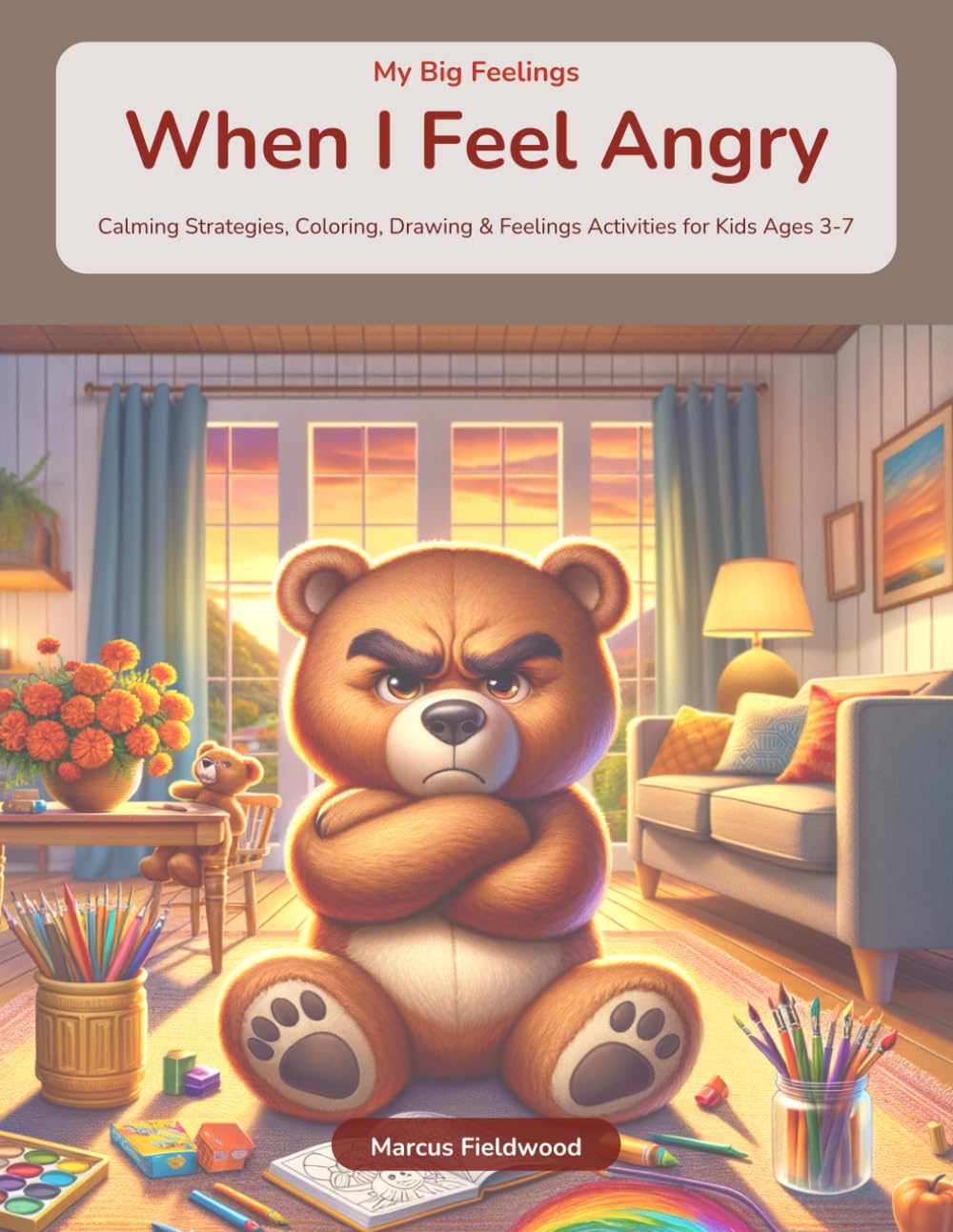
📚 When I Feel Angry
Anger Management Activity Book for Kids Ages 3-7. 80 pages of hands-on activities.
Buy on Amazon for $14.99